

Portuguese Public Holidays: What’s happening, Why it happens & How to enjoy it all
In Portugal, holidays aren’t just “a day off” they’re a cultural sport. Each feriado (that’s “holiday” in Portuguese) comes with its own rhythm: some are loud, others quiet; some are full of grilled sardines, others of candlelit processions. Whether you're a traveler planning the perfect time to visit or a curious local trying to spice up your calendar, here's everything you need to know about Portuguese holidays what they celebrate, how they’re lived, and what to expect when you stumble into one.
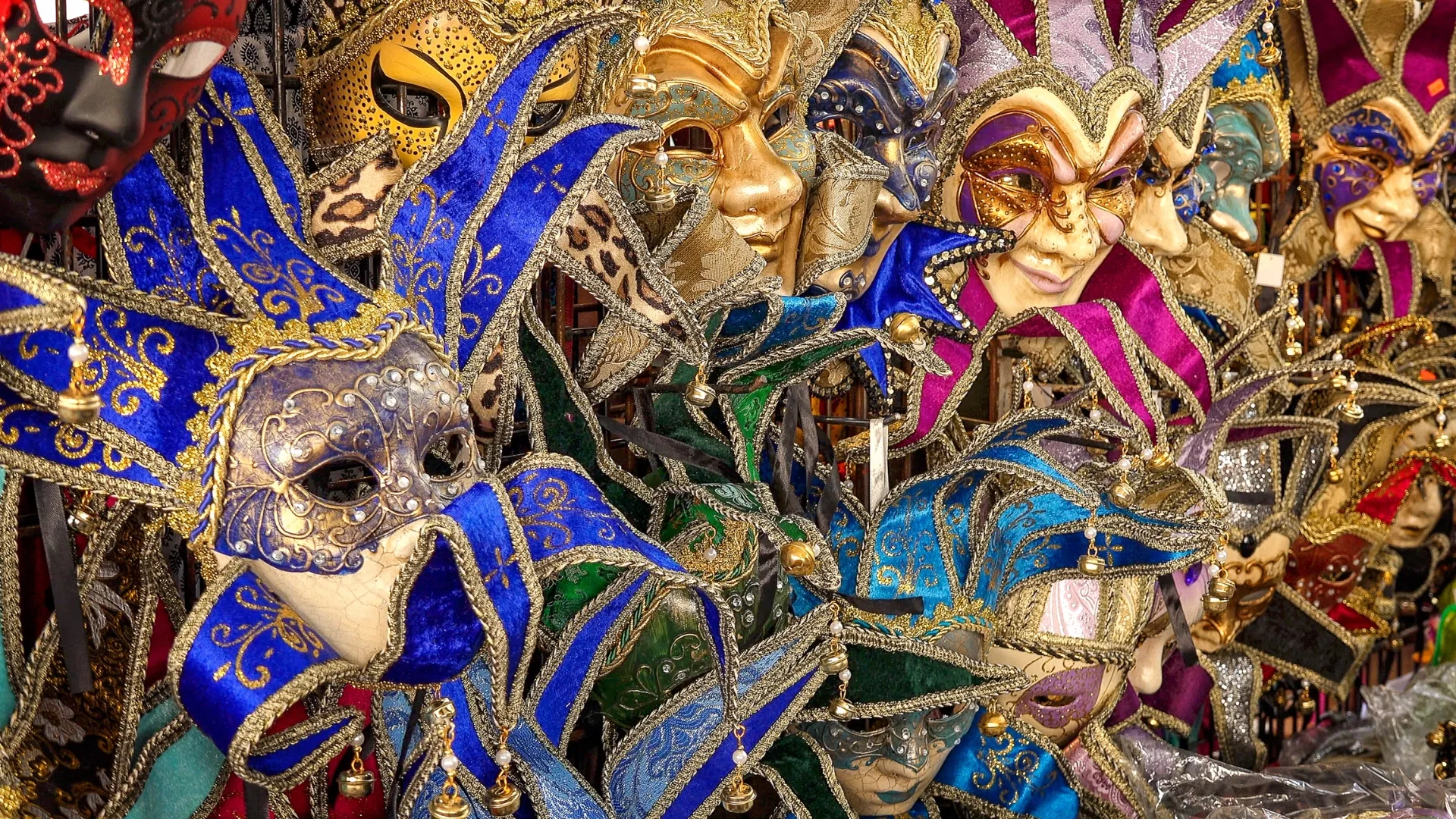
February 17: Carnival
Carnival is Portugal’s excuse to get silly, loud and very sparkly just before Lent, which is the season of self-control and fish. This holiday, while not technically a national mandatory one, is wildly celebrated across the country. In Torres Vedras, giant floats mock politicians (with scary accuracy), while up north in Podence, men dress as devilish “Caretos” and run wild through the streets banging cowbells.
The roots of Carnival go back to pagan rituals that got adapted into the Christian calendar. The idea? Party hard before the fasting begins. Expect costumes, parades, live music, and lots of laughs and possibly flour thrown in your face.
Want to fit in?
Bring a ridiculous outfit, a raincoat (just in case), and strong legs. You’ll be dancing, running or both.
April 5: Easter & Good Friday
Easter in Portugal is the definition of solemn beauty. Good Friday marks the crucifixion of Christ, while Easter Sunday celebrates the resurrection and between the two, towns like Braga or Óbidos turn into stage sets for biblical reenactments.
This is when Portugal shows its deeply religious side. Expect candlelight processions, church bells ringing from every direction, and people greeting each other with baked goods like folar (sweet bread, often with a hard-boiled egg awkwardly baked into it).
Even if you're not religious, it’s worth seeing how communities come together in quiet devotion. Just don’t expect loud parties this one’s all about the silence, reflection… and cinnamon-dusted pastries.

April 25: Freedom Day
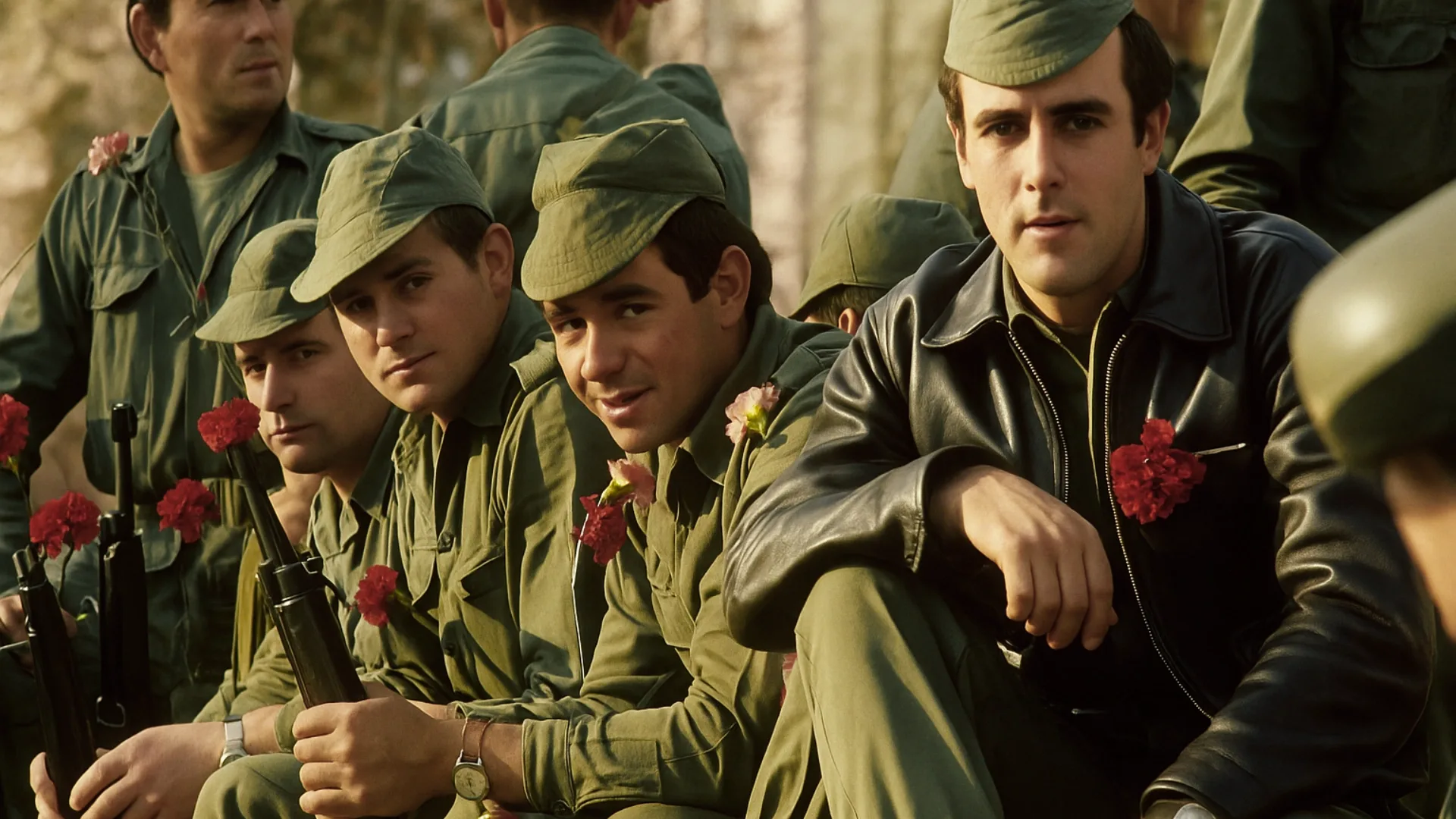
On this day in 1974, Portugal peacefully overthrew a decades-long dictatorship. Soldiers carried rifles but put carnations in the barrels instead of bullets. Hence the name “Carnation Revolution.”
Today, April 25 is a big deal. It’s the day democracy was born, and the people haven’t stopped celebrating it since. Lisbon fills up with concerts, historical tours, and lots of spontaneous singing. There’s a feel-good atmosphere in the air that makes you want to hug everyone and shout “Liberdade!” at the top of your lungs.
Bring a red carnation, join a tour through the revolutionary sites, and soak up the spirit of freedom. It’s history with a soundtrack.
May 1: Labour Day
Labour Day in Portugal is a laid-back affair, unless you’re at a union rally. For most people, it means picnics in the park, grilled chouriço, and awkward attempts at playing football with your uncle.
Rooted in the global workers’ rights movement, this day celebrates the people who keep society ticking. If you’re in the countryside, you’ll likely stumble upon a local fair. If you're in the city, expect parks filled with sunbathers and dogs living their best lives.
Best strategy?
Grab a blanket, some snacks, and let the birds do the talking while you nap under a tree.

June 10: Portugal Day
Portugal Day is basically Camões Day. Luís de Camões was our Shakespeare, but saltier and more obsessed with boats. This holiday celebrates his death, as well as the Portuguese identity, language, and diaspora around the world.
Ceremonies happen all over the country, with Belém usually taking the lead. There are flags everywhere, military parades, and readings of Camões’ epic Os Lusíadas, which most Portuguese only pretend to have read.
Still, it’s a lovely patriotic moment. You don’t need to recite 16th-century poetry just show up, maybe hum the national anthem, and enjoy the show.
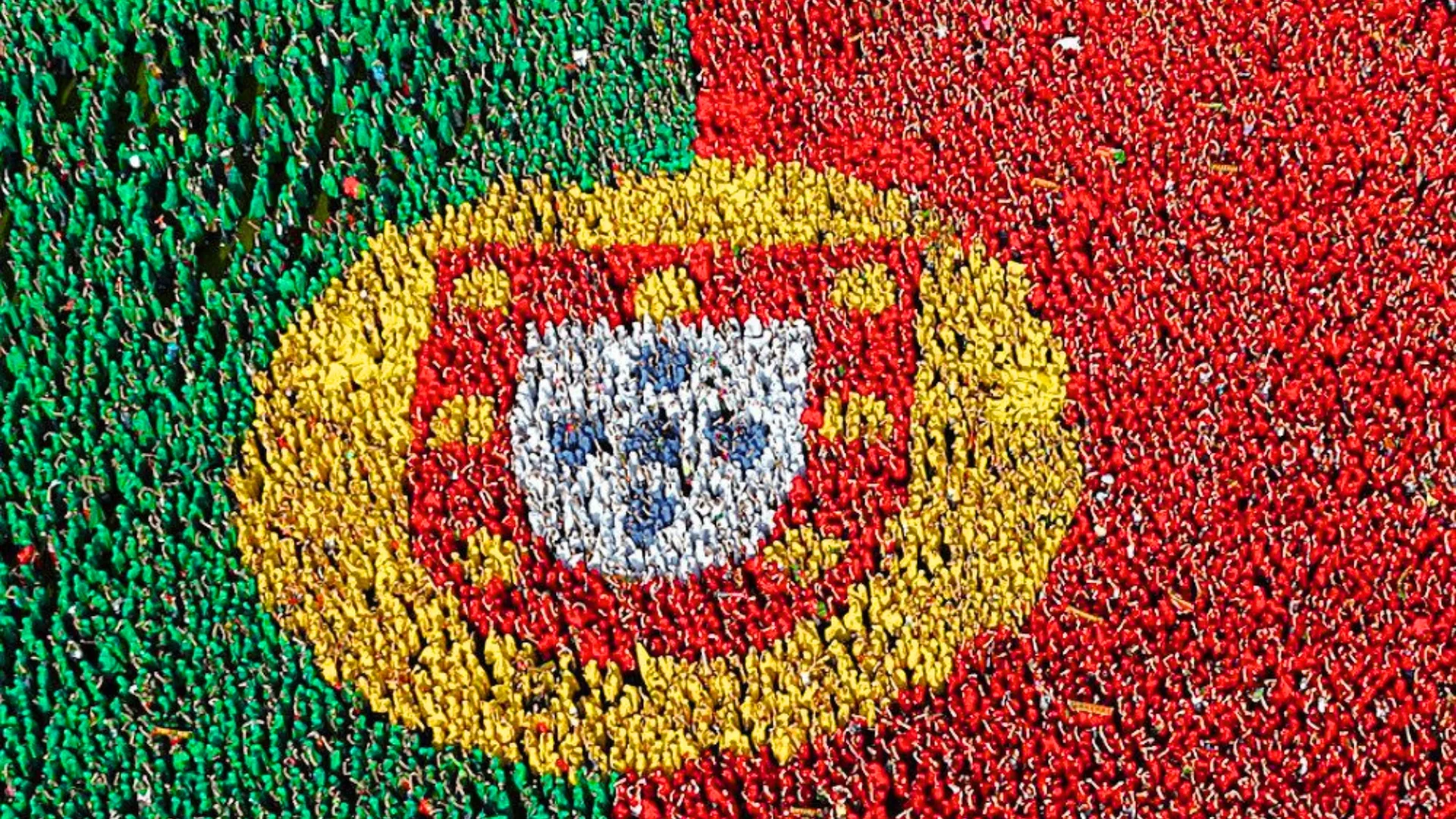
June 12–29: Santos Populares
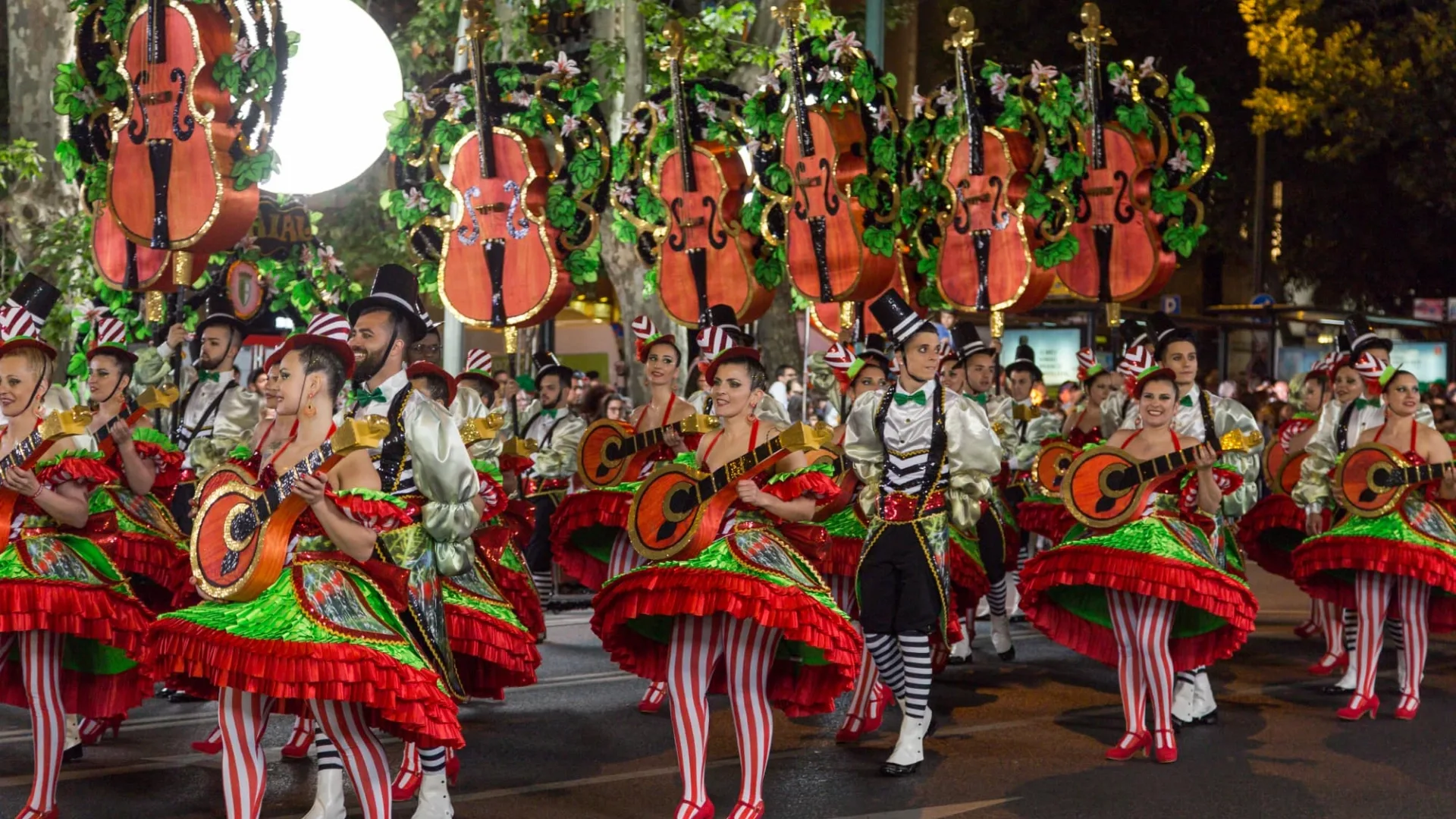
If Portugal had a national personality test, it would be called Santos Populares. For nearly three weeks in June, the country transforms into one giant block party celebrating not one, not two, but three saints: Anthony, Peter, and John.
Lisbon kicks things off around June 12 with weddings, marches, and the scent of grilled sardines lingering in the air like an unofficial national perfume. From Alfama to Graça, expect narrow streets bursting with fairy lights, basil plants with poetic notes (the cheesier, the better), and plenty of dancing under crepe-paper arches. By mid-month, other towns join in each adding their own twist, from decorated balconies to community feasts.
These festivities blend Catholic tradition with ancient solstice rituals meaning you’ll witness people blessing bread, lighting candles... and also doing shots of ginjinha in plastic cups. It’s part devotion, part pure joy.
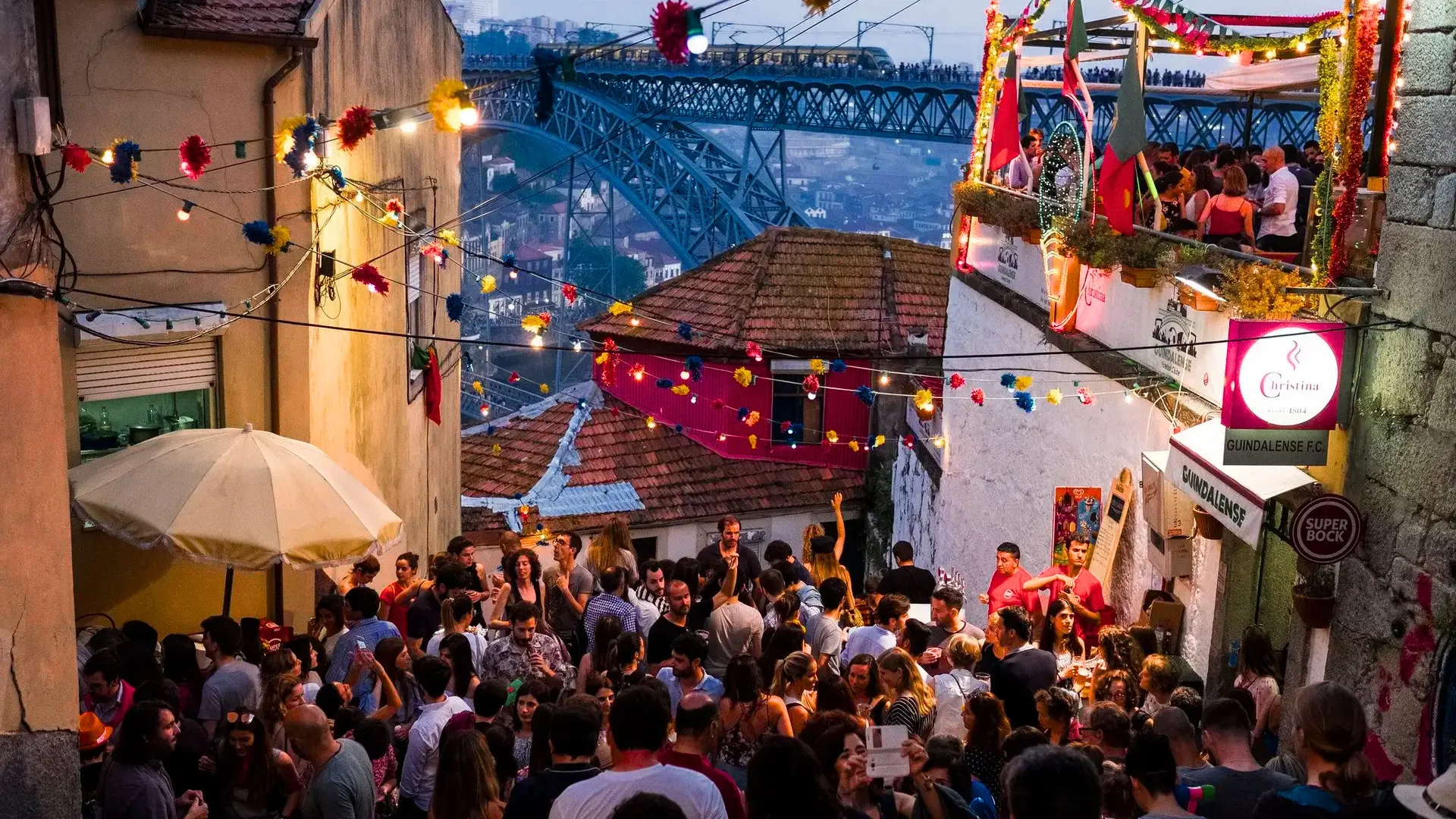
June 23–24: São João (St. John’s Festival)
If Freedom Day is emotional, São João is chaos. In the best possible way. This is Porto’s biggest street party, and if you haven’t experienced it, you're missing out.
What’s it about?
A celebration of Saint John the Baptist, mixed with pagan traditions celebrating the summer solstice. What’s it like? Plastic hammers. Sardines. Jumping over bonfires. Sky lanterns. Fireworks exploding over the Douro River. Basil plants with cheesy rhymes.
You won’t sleep. You’ll eat. You’ll dance. You’ll get hit in the head with a squeaky hammer by a 7-year-old and thank him.
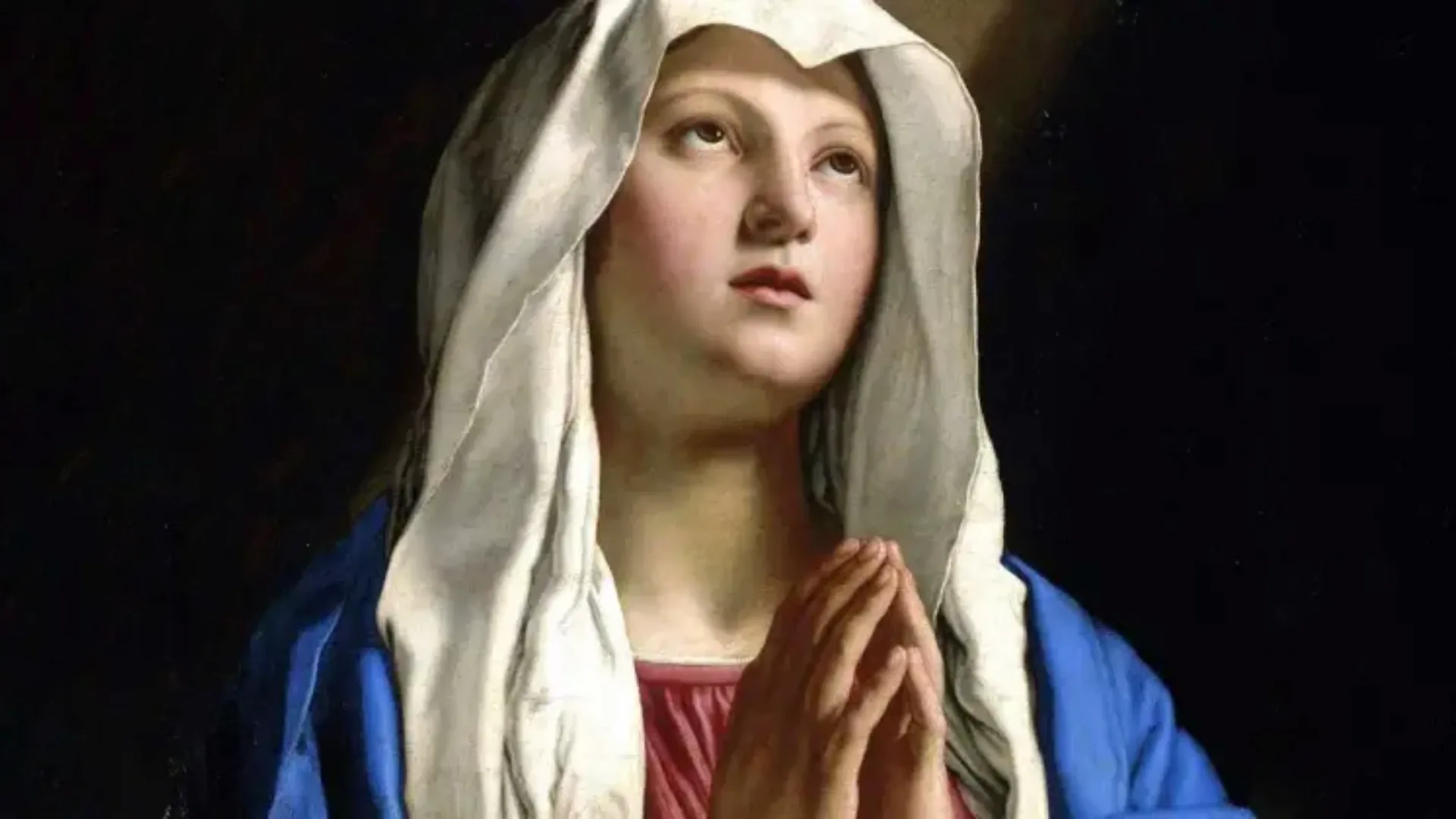
August 15: Assumption of Mary
A more religious holiday, this one marks the day Catholics believe the Virgin Mary ascended to heaven. No bones left behind, just faith.
Celebrated with quiet devotion in some towns, and loud feasts in others, August 15 is prime time for traditional food, local markets, and a good old-fashioned village party. From processions to accordion concerts, there’s always something happening especially in smaller towns like Viana do Castelo or Vila Real.
If you're traveling, this is a great day to get off the beaten track and see how rural Portugal does celebration.
October 5: Republic Day
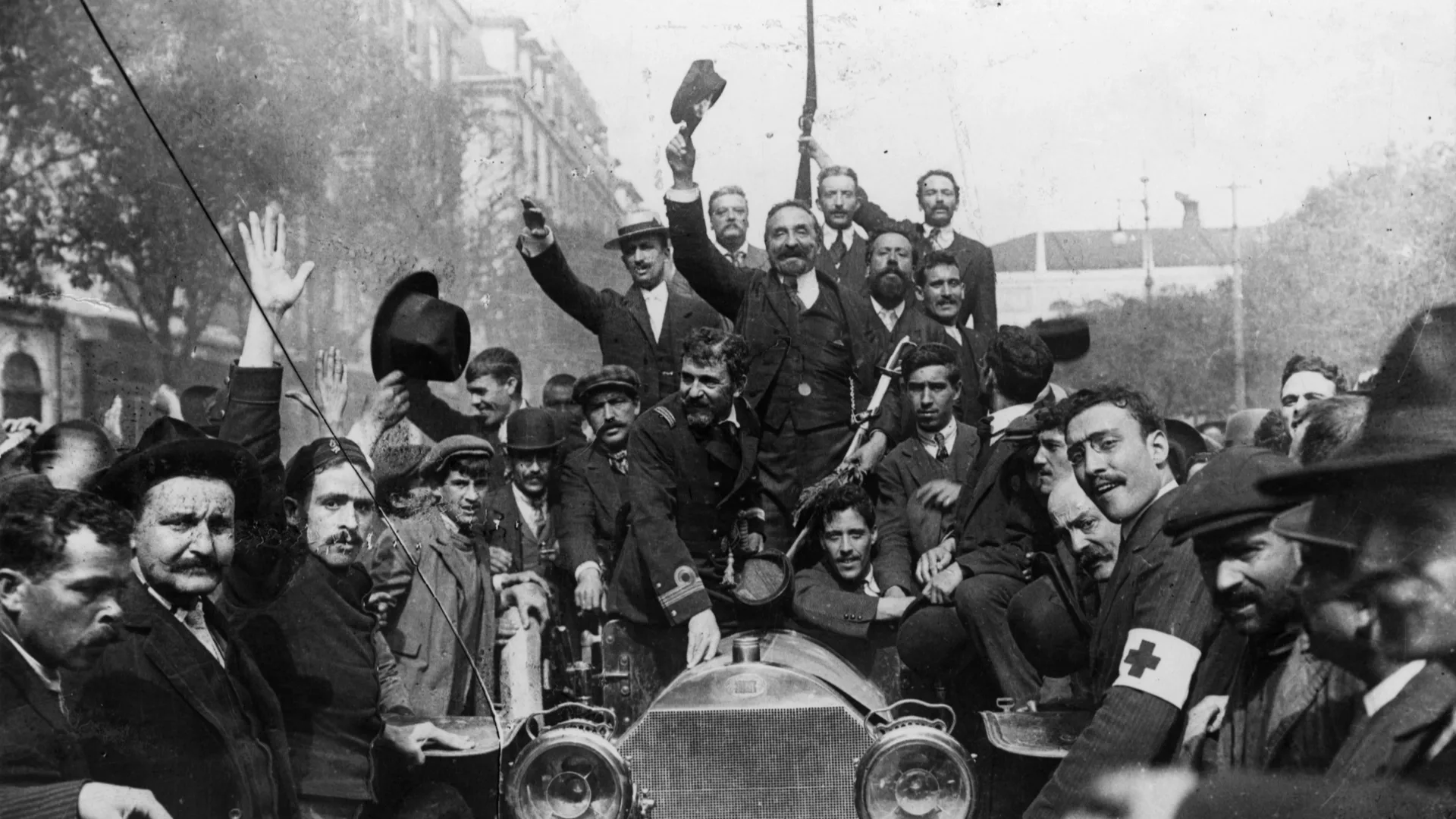
In 1910, Portugal gave its monarchy the boot and installed a republic. Today, this date is marked with relatively modest celebrations, mostly centered around historical events, monuments, and the occasional parade.
Don’t expect fireworks do expect empty museums (they’re usually free!) and a calm vibe perfect for reflective city tours.
December 1: Restoration of Independence
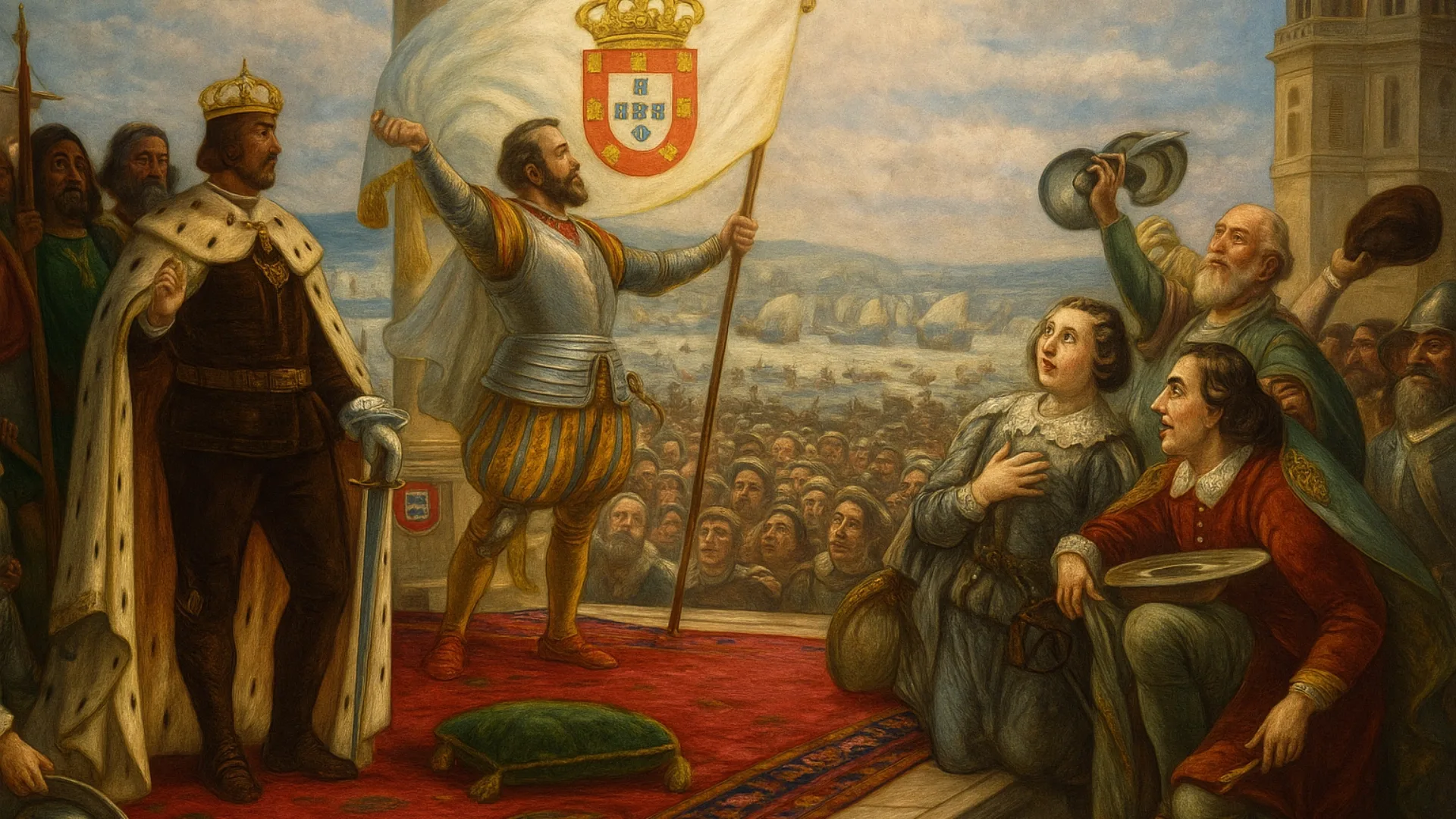
Back in 1640, Portugal said “enough” to 60 years of Spanish rule. This holiday celebrates that very assertive breakup. Expect flags, school kids doing history projects, and museums reminding you why independence rocks.
If you're in Lisbon, you might catch a reenactment or some historical storytelling at places like the Castle of São Jorge.
Great excuse to brush up on some Portuguese history while pretending you totally remember what the Iberian Union was.
December 8, 24, 25 & 31: Christmas & New Year's Eve
Portugal does Christmas like it does everything else: with food, family, lights and a little bit of saudade (the famous bittersweet feeling we’ve mastered). From December 8 (Immaculate Conception) to New Year's Eve, cities sparkle with lights, nativity scenes, and cinnamon-scented markets.
Lisbon and Porto both host beautiful Christmas villages and light shows, and many towns (like Óbidos) become fairy-tale wonderlands. As the year ends, everyone gets ready for NYE fireworks by the water often with 12 raisins in hand, one for each midnight wish.
What to bring?
Layers, appetite, and stretchy pants. It’s festa time.

What to pack for any Holiday in Portugal
• Comfortable shoes (you will walk... a lot)
• Layers (Portuguese weather is moody)
• A reusable water bottle
• Sunscreen and sunglasses
• A snack stash
• A red carnation (you never know!)
• And a good sense of humour
How Tugatrips Makes Your Holidays Unforgettable
Whether you want to dance at São João, follow the path of revolution on April 25, or uncover the meaning of Holy Week traditions, Tugatrips turns every holiday into an opportunity for discovery. We offer expertly guided tours, cultural insights, and behind-the-scenes access to the most authentic experiences from history-rich routes to food-filled celebrations. You get the fun and freedom of travel, without the stress of planning. All you need to bring is curiosity (and maybe your squeaky hammer).
Travel Tips for visiting during Public Holidays
• Plan ahead: Museums and public offices often close or reduce hours.
• Book accommodation early: Especially during June festivities or long weekends.
• Use holidays to your advantage: These dates are a great chance to witness authentic local traditions.
• Expect crowds in major cities: Especially in Lisbon, Porto and coastal destinations.
• Watch for strike risks: In rare cases, holidays can overlap with public transport strikes. Check local news.
FAQ
1. Are shops and restaurants open during Portuguese public holidays?
It depends. Many larger restaurants and shopping centers in cities remain open, especially in tourist zones. But during major religious holidays (like Easter, December 25), expect smaller, family-run businesses to close.
2. What are the busiest holidays in Portugal?
The Santos Populares (June 12–29) and São João Festival (June 23–24) are among the wildest, with packed streets, music, and street food. Christmas and New Year’s also bring crowds, lights, and festive markets.
3. Is Carnival a public holiday in Portugal?
Not officially. It's not a mandatory national holiday, but many towns and cities treat it like one. Schools often close, and local governments may grant a day off. So, check locally before planning.
4. Which holidays are more solemn or religious?
Easter (especially Good Friday and Holy Week), the Assumption of Mary (August 15), and Immaculate Conception (December 8) are observed with quieter, more spiritual traditions. Expect processions, church services, and local rituals.
5. Can I attend public events and processions as a tourist?
Absolutely. Most celebrations welcome visitors whether it’s dancing in the streets during Santos Populares or watching a candlelight procession during Easter. Just be respectful of the cultural and religious aspects.
6. What should I wear during festivals?
Comfort is key:
• For Carnival or Santos Populares: fun, colorful outfits (you won't regret it), and comfy shoes.
• For Easter or solemn events: smart casual attire and layers.
• Always bring a raincoat Portuguese weather loves surprises.
7. What’s the best holiday to experience as a first-time visitor?
• If you want tradition and fun: Santos Populares.
• For awe-inspiring history: April 25 (Freedom Day).
• For something spiritual and unique: Easter Week in Braga or Óbidos.