



Berlenga Islands: A Journey into Portugal’s Wild Atlantic Heritage
Off the windswept shores of Peniche lies a world apart the Berlengas Islands, a cluster of granite rocks rising sharply from the Atlantic Ocean. Despite their rugged appearance, these islands are full of stories, life, and awe-inspiring beauty. Officially known as the Berlengas Natural Reserve, this protected area has been attracting adventurers, historians and nature lovers for centuries, and it remains one of Portugal’s best-kept secrets.
From Monks to Military: The Human Story of the Berlengas
Though seemingly remote, the Berlengas have been intertwined with human history since at least the 15th century. It was here that monks from the Order of Saint Jerome built a modest monastery to shelter shipwrecked sailors and offer spiritual refuge in the middle of the ocean’s chaos. Life on the island, however, proved too harsh and was eventually abandoned but remnants of that era still remain, whispering stories of faith and resilience.
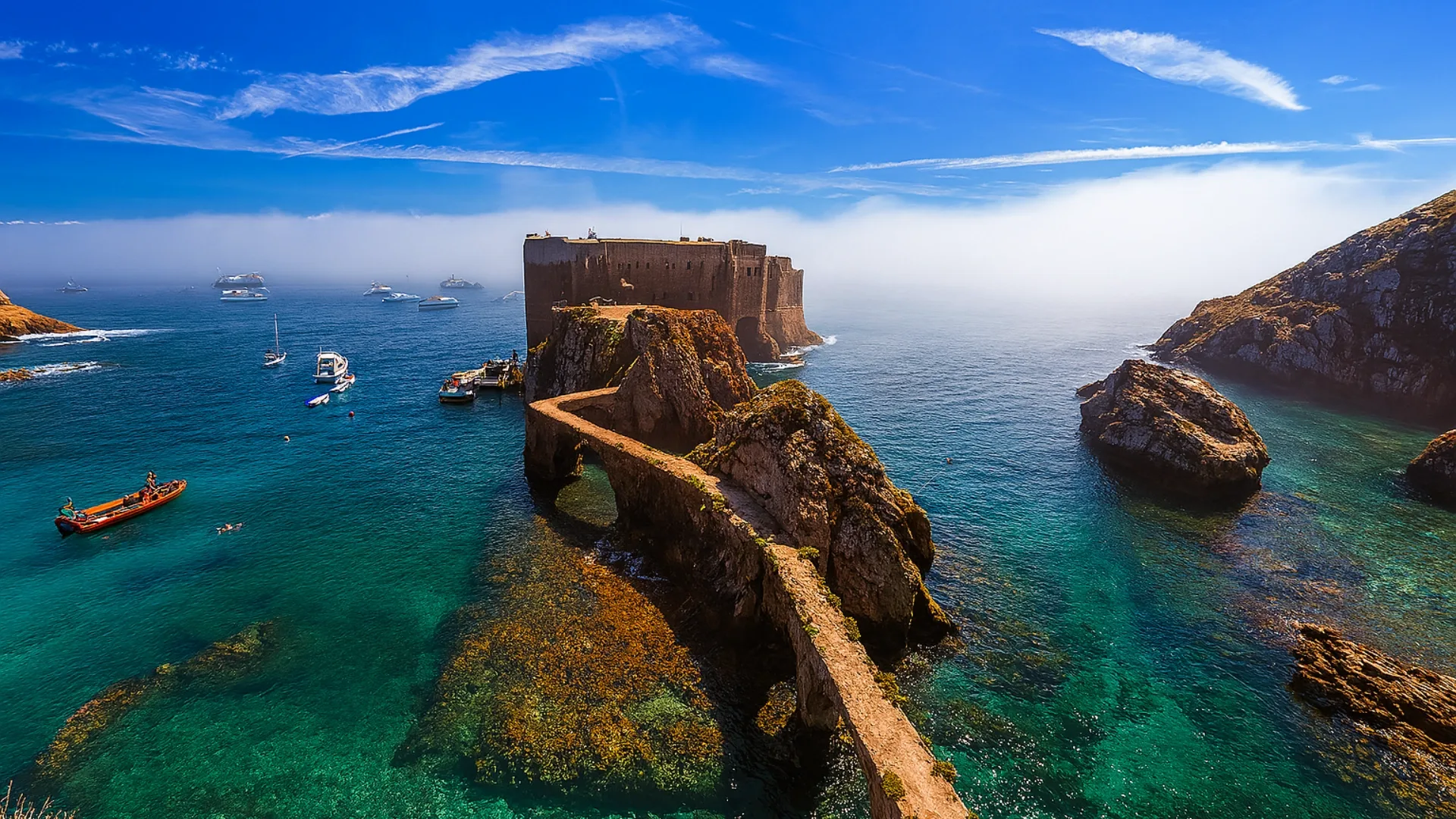
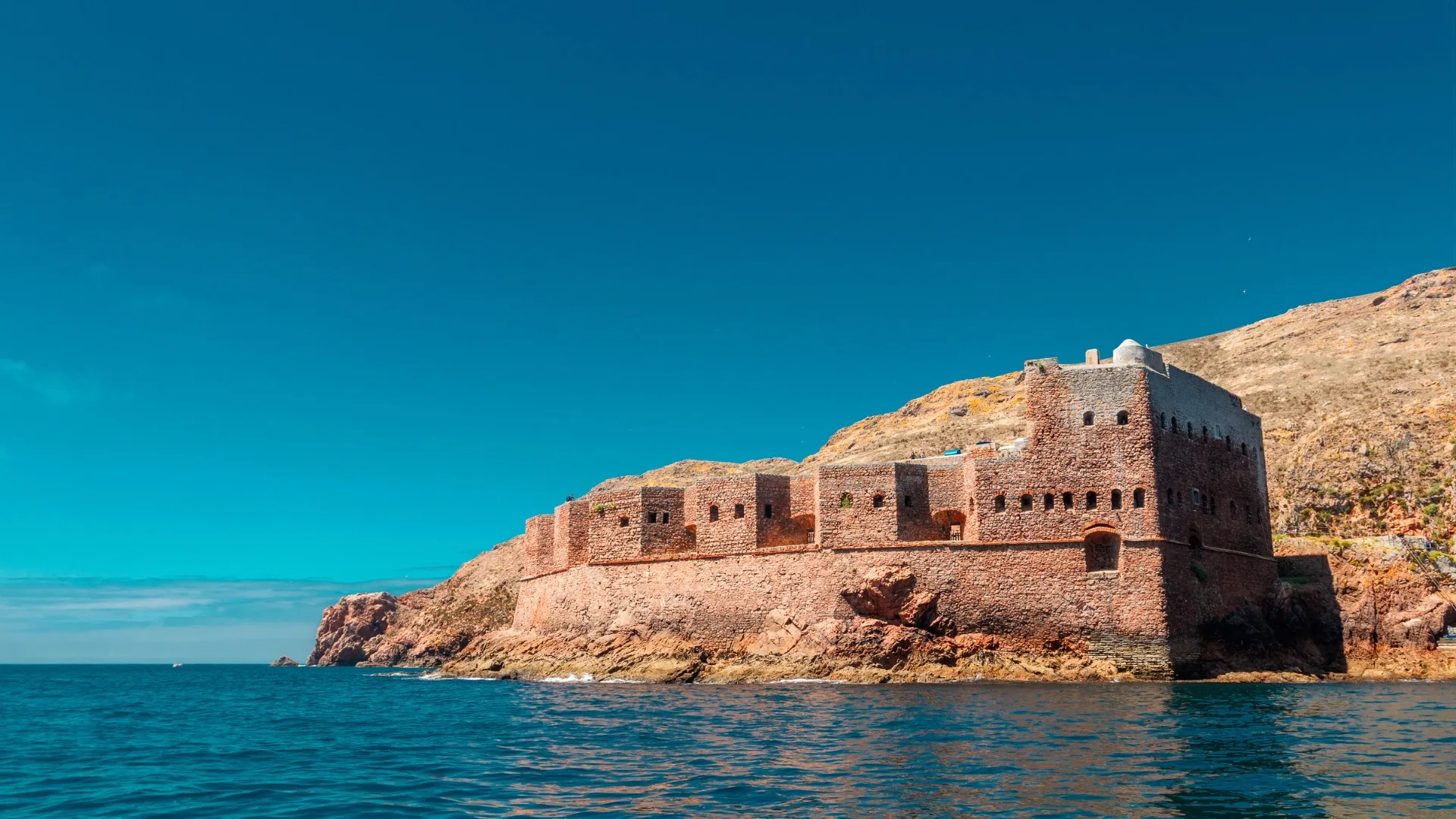
Later, the Portuguese Crown recognized the island’s strategic value. In the 17th century, the striking Fort of São João Baptista was built using the stones of the ruined monastery. Perched dramatically on the rocks and connected to the island by a narrow causeway, the fort was designed to guard the coast from pirates and invaders. Today, it stands as one of the most iconic examples of coastal military architecture in Portugal and is a must-see for visitors.
A Protected Sanctuary of Wildlife and Raw Beauty
The Berlengas are more than just a historical curiosity – they are a haven of biodiversity. In 2011, the archipelago was designated a UNESCO Biosphere Reserve, in recognition of its ecological importance. Berlenga Grande, the largest island and the only one accessible to the public, is home to unique flora and a wide variety of seabirds.
Rare species like Cory’s shearwater nest in the cliffs, while beneath the surface, the crystal-clear waters reveal an entire world of marine life. This makes the islands a paradise for snorkelling, diving, and kayaking. The famous Gruta Azul (Blue Cave) is especially popular for boat tours when the sun hits the water just right, the entire cave glows in hues of sapphire and turquoise.
UNESCO Biosphere Reserve: Nature at Its Wildest
In 2011, the Berlengas were designated a UNESCO Biosphere Reserve, acknowledging their critical role in marine and bird conservation. While only Berlenga Grande is open to the public, the archipelago is a sanctuary for rare species both above and below water.
Among the rocky crevices, you might spot the Cory’s shearwater, a seabird that nests exclusively in undisturbed habitats. Underwater, divers and snorkellers can explore vibrant reefs teeming with octopuses, crustaceans, and schools of Atlantic fish. The surrounding waters are part of a marine reserve, offering pristine conditions for eco-tourism.
Planning Your Trip: When and How to Visit
The best time to visit the Berlengas is between May and October, when sea conditions are most favourable. During this period, ferries and fast boats run daily from the Peniche marina, with travel times averaging around 30 to 45 minutes depending on the boat.
To preserve the ecosystem, visitor numbers are strictly regulated, so it’s important to book your visit in advance through the official reservation system or a licensed tour operator. Day trips are the most popular, but there is also a small eco-camping area and even the option to stay overnight at the fort a truly unique experience for those seeking silence and starlight.
What to See and Do on the Island
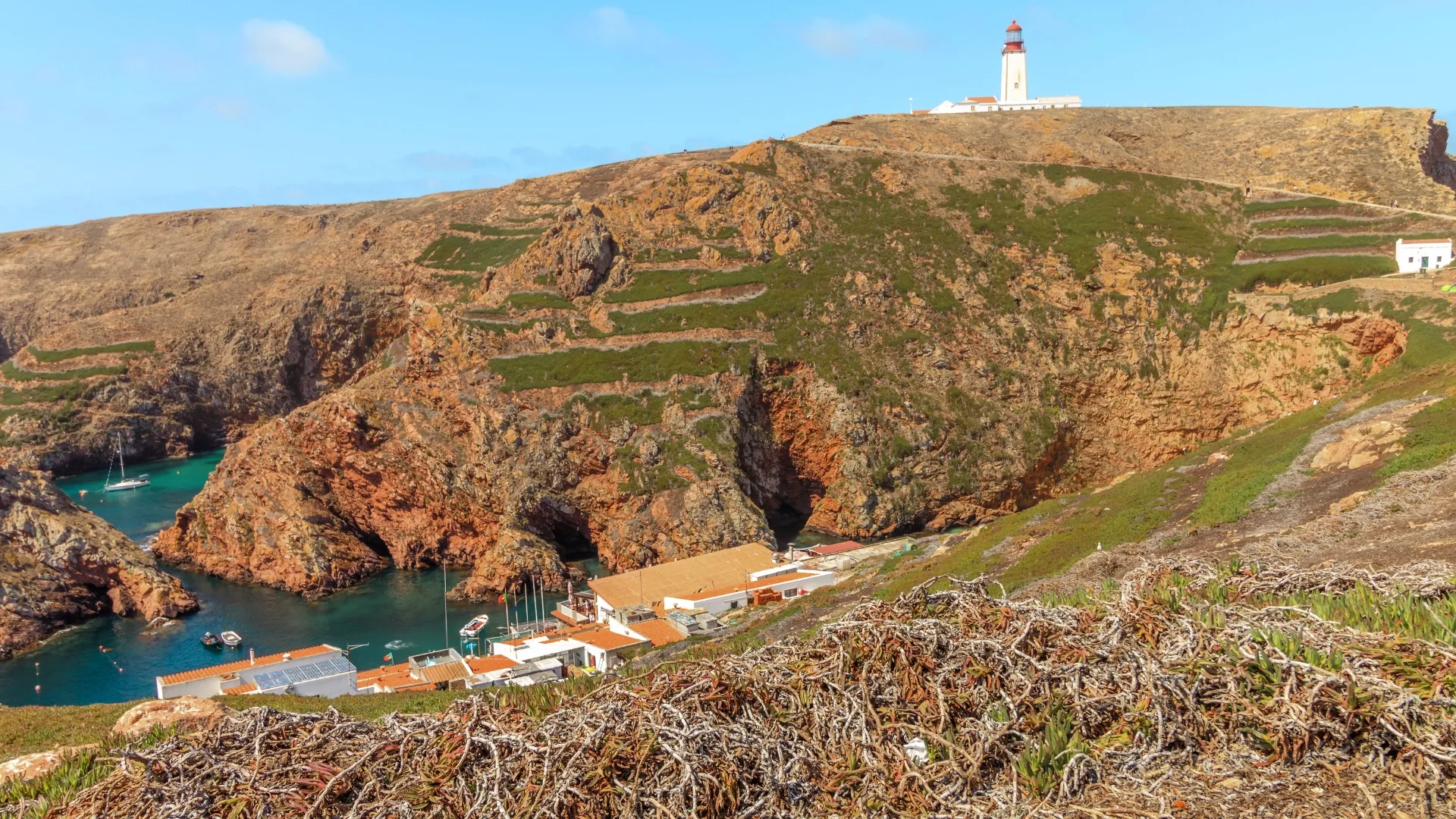
Once on Berlenga Grande, most visitors start with a hiking circuit that loops around the island. The path offers stunning views of steep cliffs, hidden beaches and the deep Atlantic below. Along the trail, you’ll encounter the Fort of São João Baptista, birdwatching spots, and interpretive signage about the island’s delicate ecosystem.
No trip is complete without a boat ride to the (Gruta Azul) the Blue Cave. When the sunlight enters the cave at just the right angle, it sets the water aglow in brilliant shades of turquoise and sapphire. It’s one of the most mesmerizing natural sights in Portugal and a favorite for kayaking and boat tours.
There’s also a small interpretation centre, a seasonal restaurant, and a few basic facilities. But don’t expect luxuries part of the Berlengas’ charm is how raw and untouched they feel. Bring water, sun protection and comfortable walking shoes, and embrace the minimalist beauty of the landscape.
How to Get There from Lisbon
A visit to the Berlengas can easily be part of a day trip from Lisbon. The drive to Peniche takes about 1 hour and 30 minutes, with many travelers choosing to combine their Berlengas adventure with a stop in Óbidos, a charming medieval village, or a taste of local seafood in Peniche.
If you’re joining a curated experience, you might also discover hidden spots along the coast, often overlooked by independent travelers from panoramic cliffs to traditional fishing villages that give the west coast of Portugal its distinct identity.
If you’re planning a trip to Portugal and want to include the Berlengas in your itinerary, The Cooltours offers curated day trips from Lisbon that include private transfers, boat tickets, and optional guided experiences in multiple languages. With everything arranged for you, all that’s left is to enjoy the wonder of one of Portugal’s most spectacular natural treasures.
Book your Berlengas escape now and let The Cooltours take you there.
FAQ
1. What are the Berlenga Islands and where are they located?
The Berlenga Islands are a small granite archipelago off the coast of Peniche, Portugal. They're part of a protected nature reserve known for its marine life, dramatic cliffs, and crystal-clear waters.
2. How to get to the Berlengas from Lisbon?
You can drive from Lisbon to Peniche in about 1.5 hours. From the Peniche harbor, boats and speed ferries operate daily to Berlenga Grande, taking 30–45 minutes.
3. What can you do on the Berlenga Islands?
Popular activities include hiking, visiting the São João Baptista Fort, birdwatching, snorkeling, kayaking, and boat tours to the famous Blue Grotto.
4. What is the best time to visit the Berlengas?
From May to October, when sea conditions are calmer. This is the best period for boat trips and exploring the island safely.
5. Can you stay overnight on the Berlengas?
Yes, there is a small eco-camping area and a unique option to stay at the historic fort. The experience is basic but unforgettable for nature lovers.
6. Are the Berlengas a UNESCO Biosphere Reserve?
Yes, since 2011 the islands have been recognized by UNESCO for their marine biodiversity and importance in bird conservation.
7. Do I need to book in advance to visit the Berlengas?
Yes. Visitor numbers are limited daily to protect the ecosystem. It’s strongly recommended to book early via official systems or licensed tour operators.